A note on credit, the long version
Respect.
Hard As Nails did not invent men painting their nails. We are adding to a conversation other people started, at a cost we never got near.
Men in our study told us the same thing over and over. For one week they got a brief sense of what it is like to be visibly different in public, and for a lot of them it was the first time in their lives.
One week. Optional. With a research study to hide behind and a date it ended.
Other people have been living this for decades, without any of those three things.
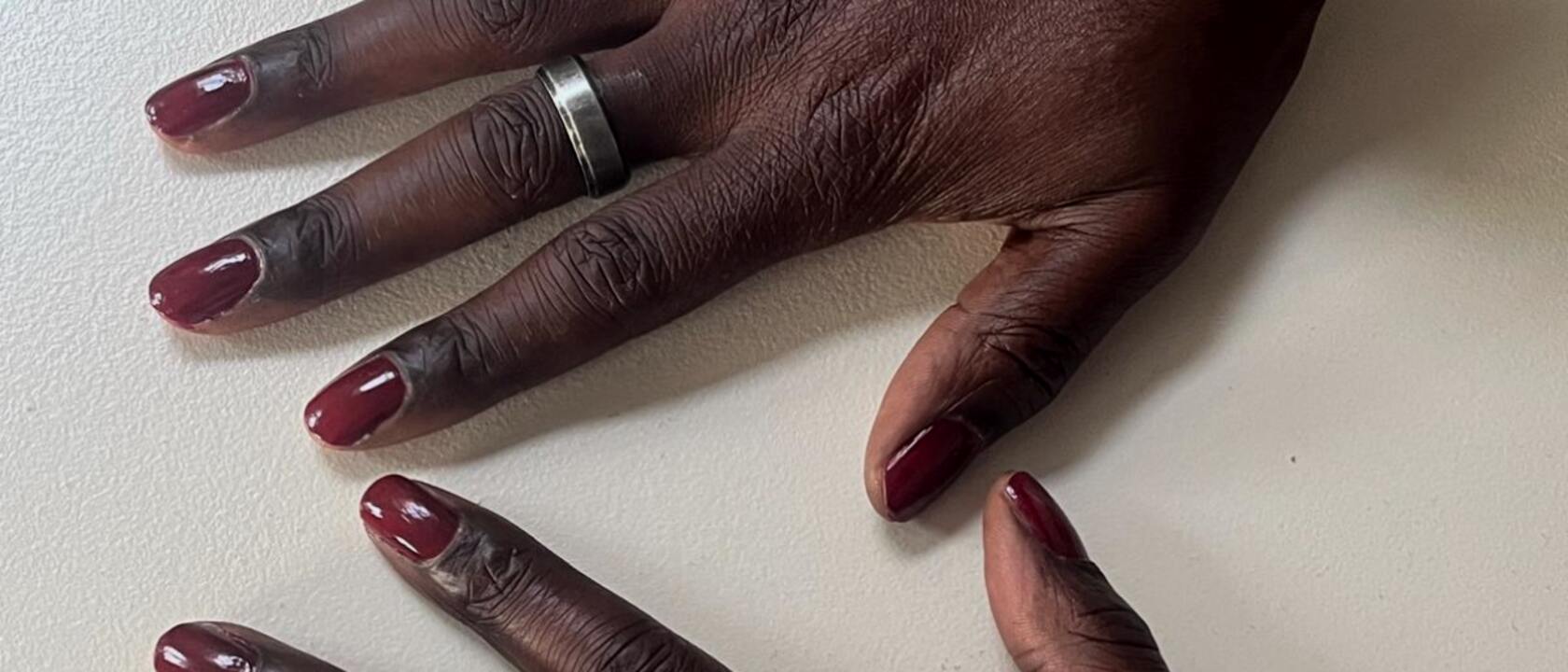
Who did this first
The people we owe.
-
Queer communities
They have been challenging what men are allowed to look like for as long as there have been rules about it, and they did it when the cost was a beating, a job, a family, a criminal record. Not a diary entry and a week off.
-
Black women
They built modern nail culture. The artistry, the language, the standards, the whole craft. It was called ghetto right up until it got expensive, and the people who called it that are now paying for it.
-
Vietnamese nail technicians
They built the salon trade we walked into. The salons our men visit this November exist because of a migration story almost nobody in this study could tell you, and the work is still spoken about as though it were unskilled.
-
Black men in public life
ASAP Rocky, Travis Scott, Lil Nas X. They took the first rounds of ridicule and made painted nails on men ordinary enough that a builder in Nottingham could do it without it being a statement.
-
Trans and non-binary people
This whole experiment is gender play, and they are living the least playful version of it. Our men get a week of it by choice, at a moment when trans people in this country face a level of scrutiny and rollback with nothing playful in it at all. Celebrating cis men for painted nails while stepping around that would be tone deaf, so we are not going to.
We are standing on all of that. We built none of it.
Nobody on that list asked us to write this down. We have anyway, because credit you wait to be asked for isn't really credit.
The obvious objection
Straight men wear this for a week. Other people can't take it off.
Partly yes, and we would rather say so than argue about it. Our men get seven days, by choice, with a study to hide behind and an end date in the diary. Nobody in the groups above got any of that.
What we would say for the other half is that the point was never for our men to borrow somebody else's experience, or to understand it, or to claim they now know what it is like. They don't. The point is much smaller and much more specific. It is to find out what they were actually afraid of, which for most of them turns out to be nothing, and to see whether that changes how they behave afterwards, including when somebody else is the one being looked at.
There is also a reason this only runs one way round, and it is worth being plain about. The mechanism works on men who were wrong about the hostility. They expect it, they don't get it, and the gap between the two is where the change happens. If you have already lived it, you weren't wrong. You were right, and you paid for being right. There is nothing in this experiment we would be asking you to learn.
So this is not a recruitment page, and it is not us asking you for anything.
The finding we handle most carefully
A glimpse, honestly labelled.
A recurring finding in the data: many participants reported that the experience gave them a brief sense of what it feels like to be visibly different in public, a form of social risk most of these men had not previously encountered.
We are not suggesting those experiences are equivalent. The data suggests the glimpse itself has value. That is the whole claim, and we are not going to inflate it into solidarity.
If we've got this wrong
Tell us.
This page was written by the people running the campaign, which is exactly the wrong people to be the only ones who have read it. If something here grates, or is inaccurate, or is missing somebody, we would rather hear it than not.
Tell us what we've got wrong